PGE, PGNiG, tariff groups, the Clean Air programme. You deserve clear answers, not jargon. This is where you find them.
You pay energy bills every month. Understanding what is on them takes minutes when someone explains it clearly.
Your PGE or PGNiG invoice contains more than a total to pay. You get a breakdown of every charge, from distribution fees to reactive energy components, explained in plain language.
Read the guideG11, G12, C11 — what these labels actually mean, and whether a different tariff could lower your monthly costs.
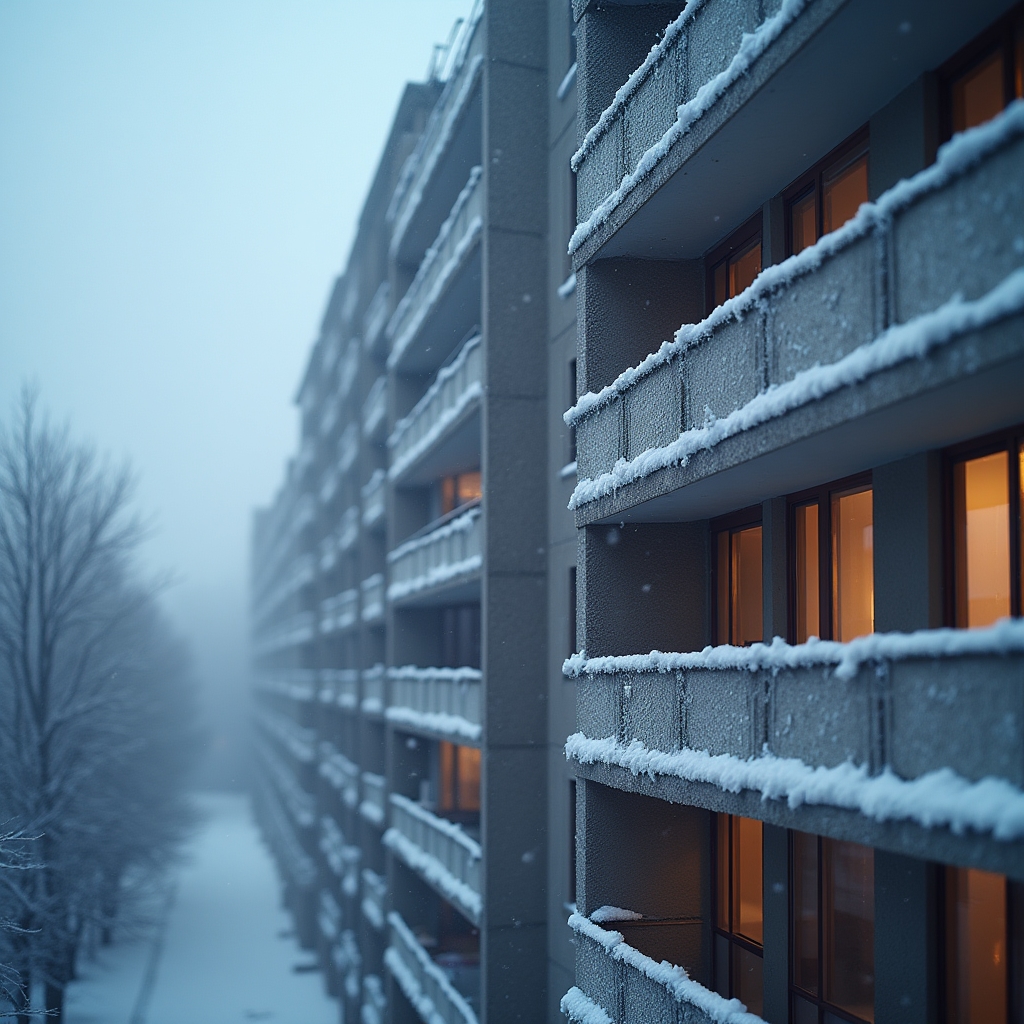
Explore tariffsPractical steps you can take in a panel-construction apartment to reduce heating costs without structural changes.
See the tipsWhat NFOŚiGW publicly documents about Czyste Powietrze — eligibility conditions, application paths, and what the subsidy covers.
Learn moreHow to check your building's energy performance certificate, what the classes mean, and why this document matters when you rent or buy.
Understand certificates
Your electricity invoice from PGE typically contains a distribution component, a trading component, and various network fees. Many people pay for years without knowing which line is the largest part of their bill.
Gas invoices from PGNiG follow a similar pattern. You see a subscription fee, a commodity charge based on consumption, and a distribution tariff that varies by region.
Understanding these parts helps you spot anomalies, compare offers, and know exactly what changes when you switch tariff groups.
Full Bill BreakdownSingle-rate vs two-rate tariffs. You may pay less overnight if your consumption pattern matches G12.
Door seals, radiator reflectors, and smart scheduling. Changes you can make without modifying the building.
A national subsidy programme. NFOŚiGW publishes full eligibility criteria and application forms publicly.
From A+ to G. Your building's certificate tells you how energy-efficient the structure is rated to be.
Your heating costs in January and your cooling habits in July are different problems. You get guides that match the season you are in.
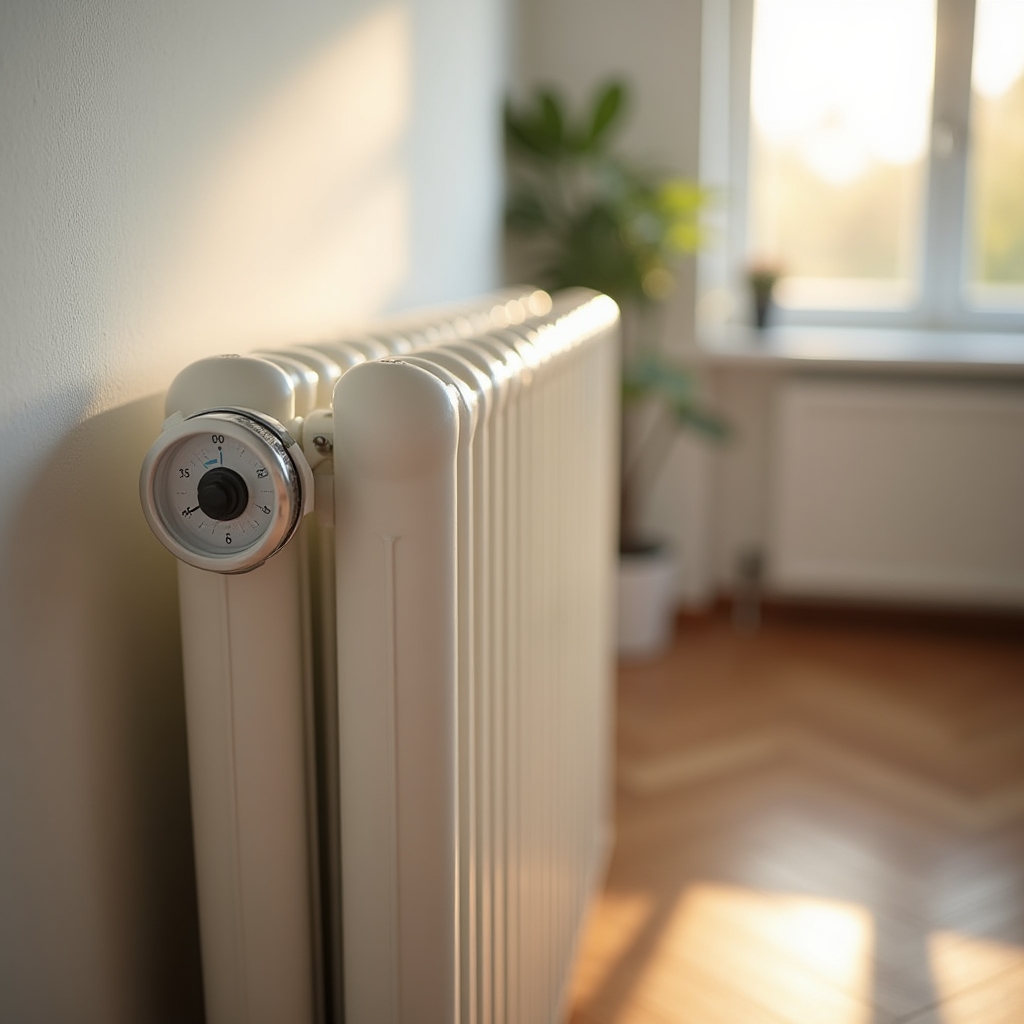
A reflective panel behind your radiator reduces heat absorbed by the wall. Thermostatic valves let you control each room independently.
Winter guide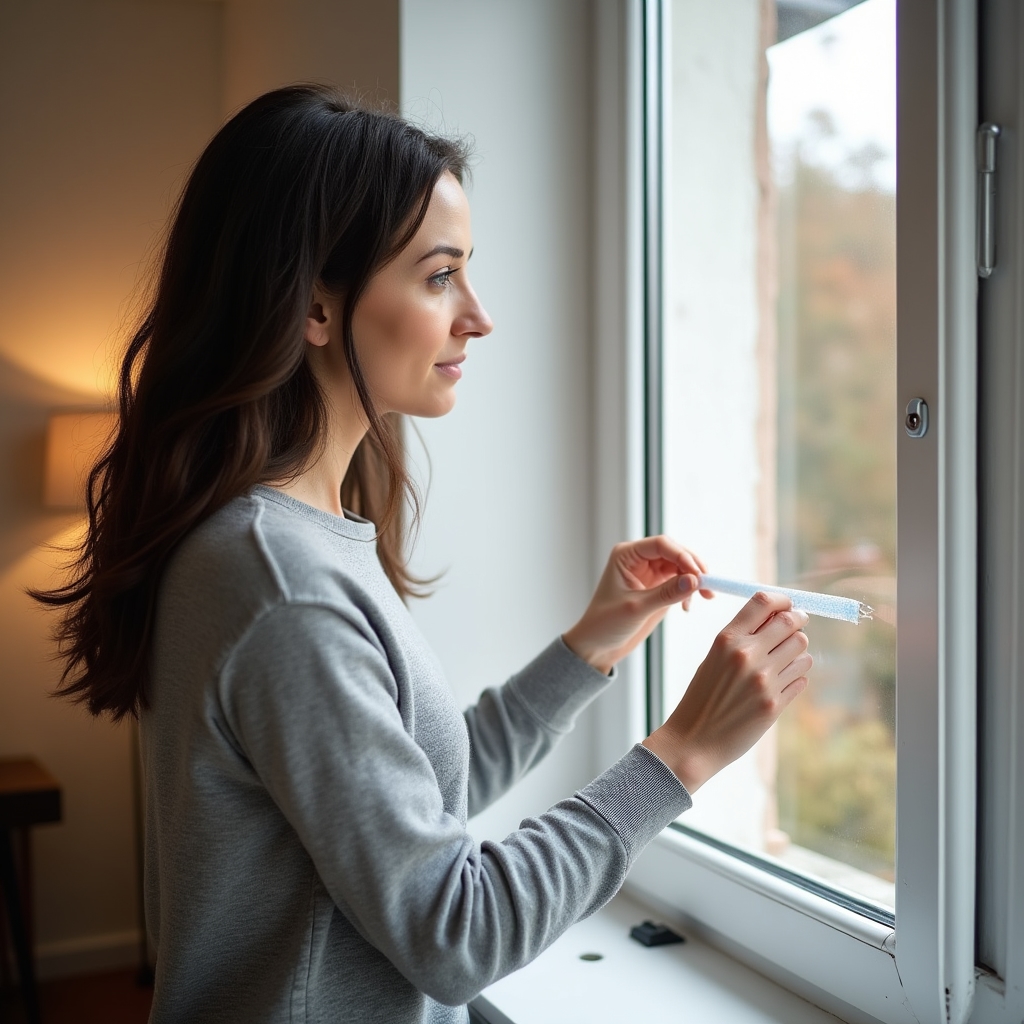
Window and door gaps let warm air out and cold air in. Self-adhesive foam tape costs very little and reduces the volume of heat your building needs to maintain.
Autumn prep
Cross-ventilation in the early morning cools your flat without electricity. Blackout blinds on south-facing windows reduce solar gain significantly during afternoon hours.
Summer guide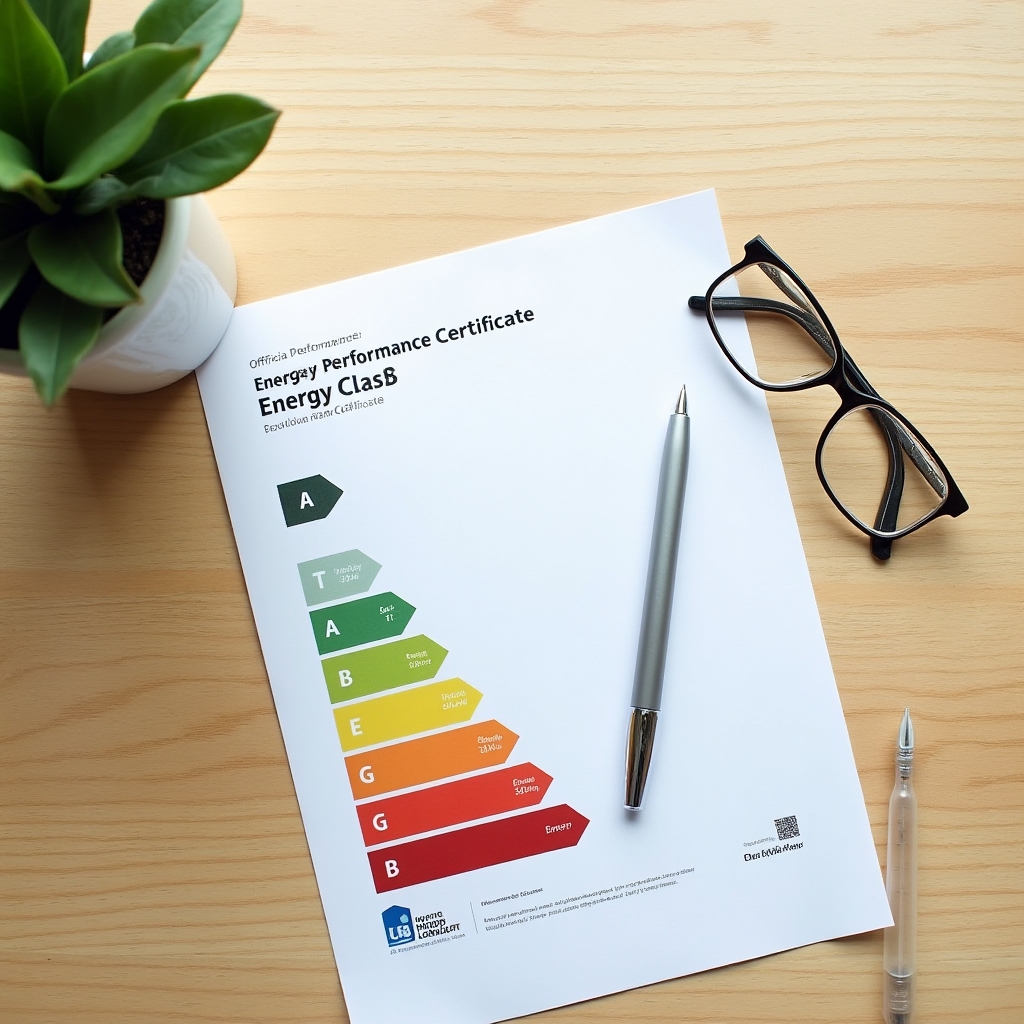
Required when selling or renting property in Poland. The certificate class affects how much energy a building uses — and how much you pay to heat it.
Certificate guide
The Clean Air programme is administered by NFOŚiGW and coordinated through regional funds. Its goal is to help households replace old, high-emission heating sources with cleaner alternatives.
You can find eligibility conditions, income thresholds, and the types of improvements covered in the publicly available documentation on the NFOŚiGW website. Applications are submitted online through the GWD portal.
Understanding what the programme covers before you apply helps you prepare the right documents from the start.
Read the overviewWhen you work from home, your daytime electricity use increases. Knowing which tariff group matches your new pattern can make a practical difference.
You will also find guidance on how to approach the question of home-office energy costs, what Polish tax regulations say, and how to track consumption more accurately when home and work overlap in the same space.
Remote Workers Guide
One price per kWh regardless of time. The most common tariff for Polish households. Straightforward billing, no scheduling needed.
Lower price per kWh during off-peak hours, higher during peak hours. Suitable if you can shift dishwasher, laundry, and charging to evenings or early mornings.
Applies to business connections with lower consumption. If you run a business from your home address, this tariff structure may apply to a separate meter.
A variant of G12 where off-peak hours extend across the entire weekend. Households with high weekend use may find this grouping more favourable.
You can reach us directly. This is an educational resource, not a commercial service. We aim to respond with clarity.
