Practical, no-renovation guidance for every time of year. From autumn draught-proofing to the Clean Air programme.
Panel-construction apartment buildings — the blok type common across Polish cities — were built to collective heating standards that assumed continuous high-temperature radiator flow. Individual apartments within these buildings often have limited control over the heat source itself, which is usually central district heating (ciepłownictwo miejskie).
What you can control is how efficiently your apartment retains the heat it receives. Several steps require no structural modification and no landlord permission:
Your heating bill in a building with individual heat cost allocators (podzielniki ciepła) is calculated based on your relative consumption compared to other apartments in the building. Understanding how your allocator works — and whether it is electronic or evaporative — is useful context when your bill arrives.
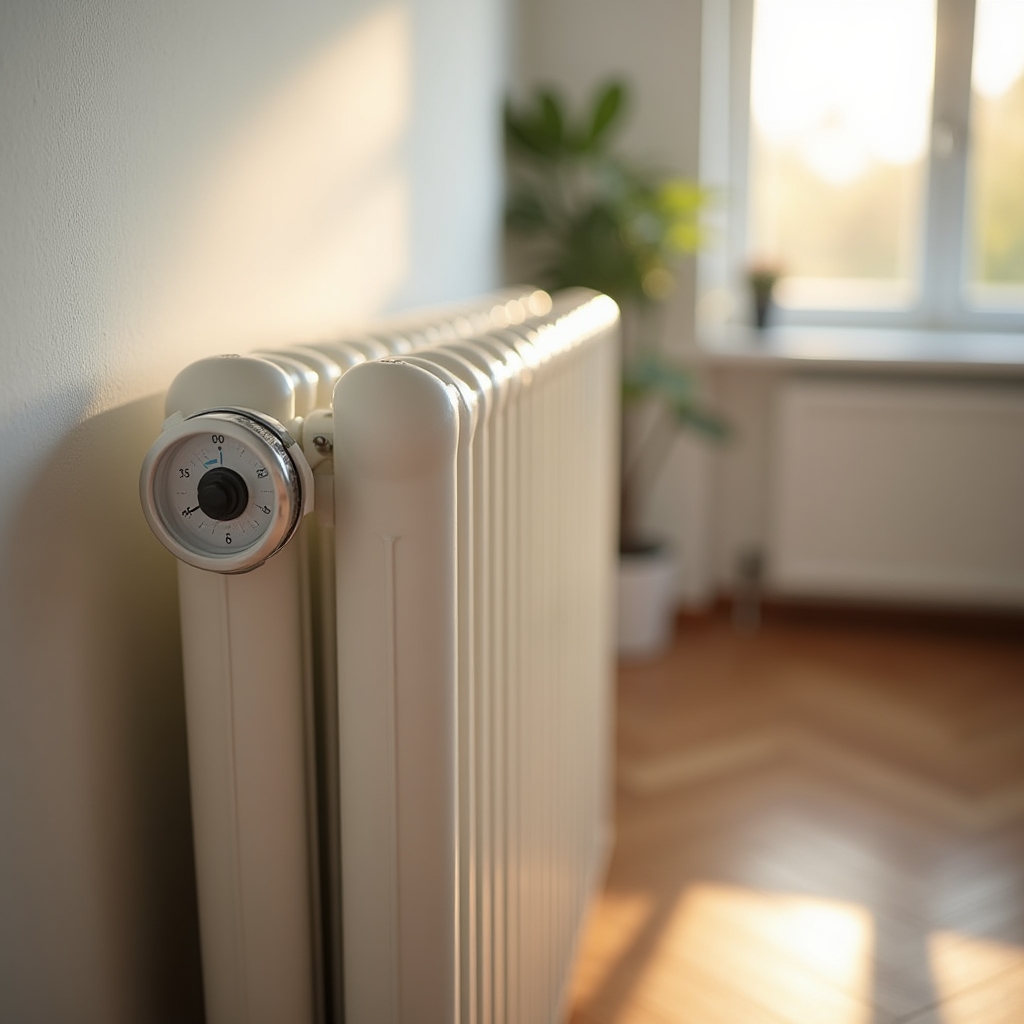
District heating bills in Poland are typically issued quarterly. They show consumption in GJ (gigajoules) or in allocator units. The unit price depends on your local heat supplier's approved tariff, set by URE (the Energy Regulatory Office).
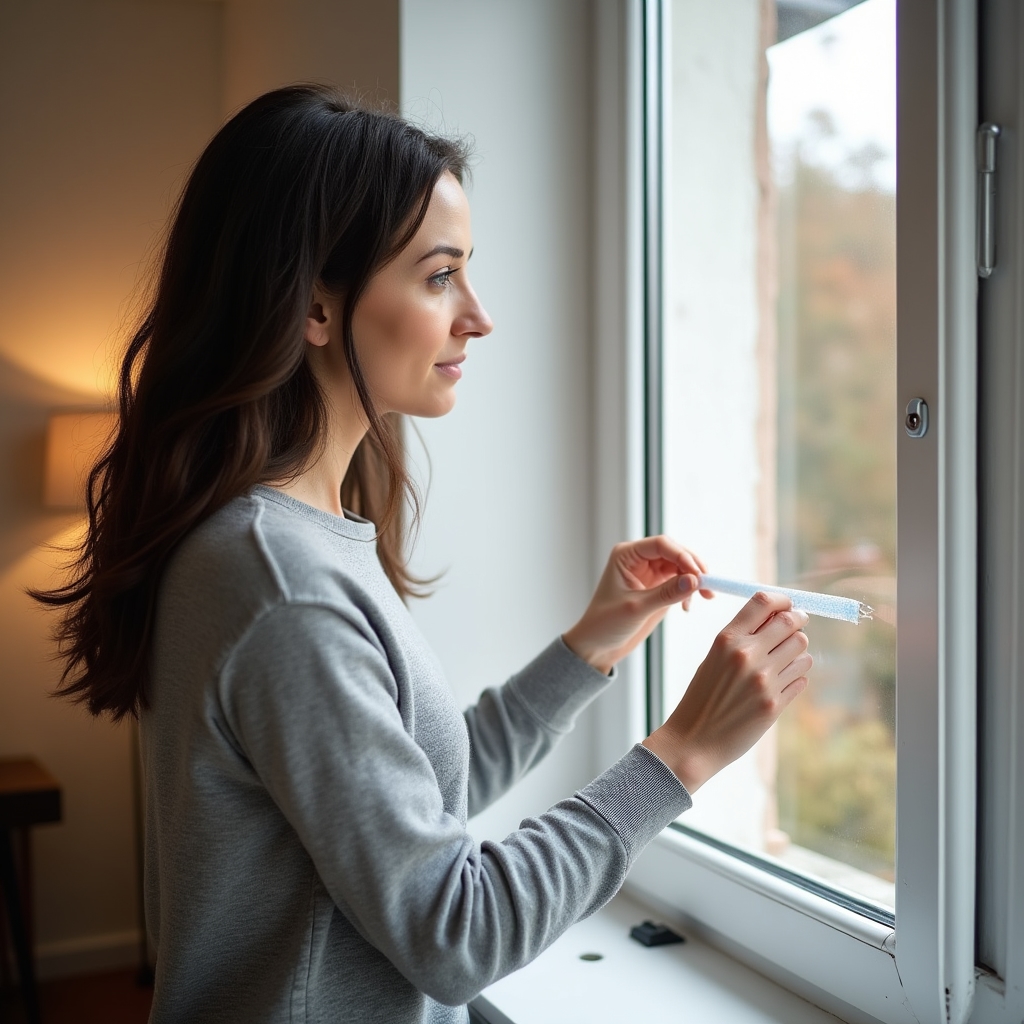
The heating season in Polish cities typically starts in mid-October when district heating networks switch on. Completing draught-proofing before this date means you benefit from day one of the heating season.
September and October are the practical window for preparing your apartment before district heating activates. Changes made during this period take effect immediately when heating begins.
Key autumn tasks include:
Autumn is also a reasonable time to check whether your energy contract — electricity or gas — is on the right tariff for the higher-consumption winter months ahead.
Air conditioning is not standard in most Polish blok apartments. Managing indoor temperature during summer heat relies on understanding how buildings absorb and release heat.
Concrete panel buildings absorb heat slowly but retain it overnight. This means the effective strategy is to cool the interior aggressively in the early morning before outdoor temperatures rise, then close windows and blinds during the hottest part of the afternoon.
Practical steps:
If you do use a portable air conditioner, ensure the exhaust hose vents directly to the outside through a window kit. A poorly sealed exhaust defeats the purpose of the unit and wastes electricity.
In buildings with district heating, hot water supply continues year-round even when heating is off. Your hot water consumption appears separately on your bill. Short showers and full dishwasher loads remain the most effective ways to reduce this component.
What publicly available NFOŚiGW documentation describes about Czyste Powietrze.
Czyste Powietrze (Clean Air) is a national programme managed by the National Fund for Environmental Protection and Water Management (NFOŚiGW) in cooperation with regional environmental funds. Its stated purpose is to improve air quality by supporting the replacement of old, high-emission heating sources in single-family homes.
According to publicly available programme documentation, eligible improvements can include:
The programme operates in three basic benefit levels, differentiated by annual household income. Higher subsidy rates apply to lower-income households. The income thresholds and exact subsidy percentages are published on the official programme website at czystepowietrze.gov.pl.
The programme applies to owners or co-owners of single-family residential buildings, or to persons holding a building permit for construction of such a building. It does not apply to apartment buildings (wspólnoty mieszkaniowe) as a standard path — residents of blok apartments have separate programmes available, including STOP SMOG and the social housing retrofit fund.
Applications are submitted through the GWD portal (generator.wfos.gov.pl) or in person at your regional environmental fund. The process requires documentation of property ownership, income verification, and photographs or technical descriptions of the existing heating installation.
Kufiji does not assist with applications, does not represent NFOŚiGW or any regional fund, and is not affiliated with the programme in any way. The information here summarises publicly available documentation to help you understand what the programme is before you visit the official resources. Always consult the official czystepowietrze.gov.pl portal for current eligibility criteria, subsidy amounts, and application requirements.

Kufiji has no affiliation with these entities. Links provided for reference only.
Send us a question and we will consider it for a future guide.
